
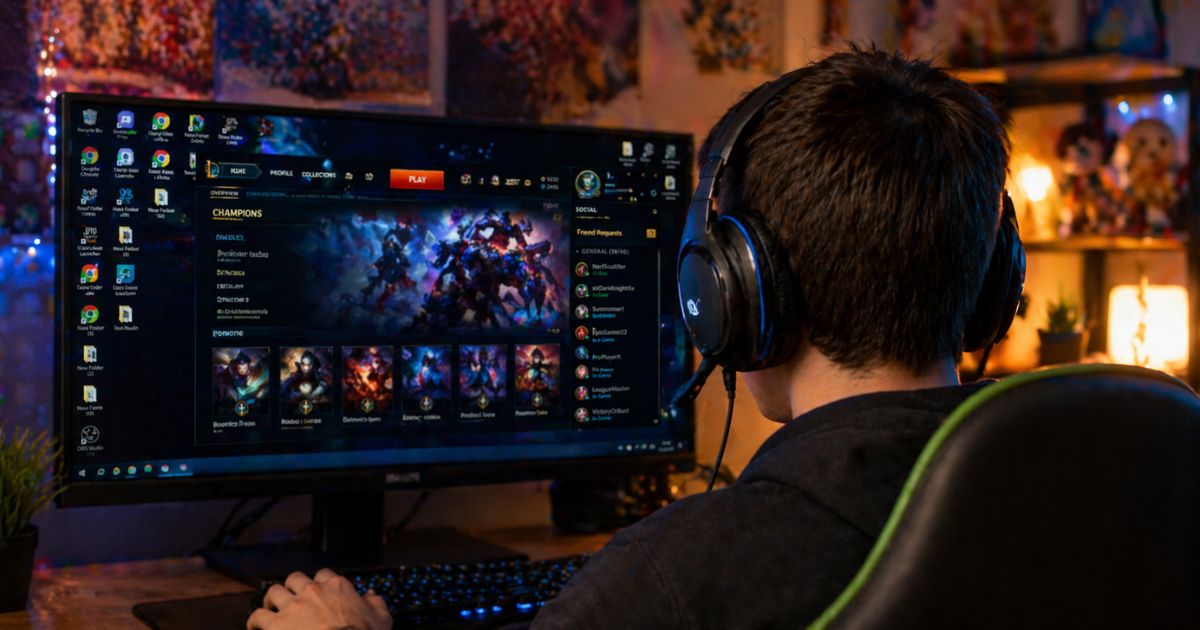
Gaming has rapidly evolved from a simple recreational activity into one of the most powerful forces shaping modern entertainment. In the digital era, it is no longer just about playing for fun—it is about immersive experiences, global communities, storytelling, creativity, and even career opportunities. From mobile games to massive online worlds, gaming is redefining how people interact with entertainment across the globe.
This article explores how gaming is transforming entertainment in today’s digital age and why it has become a central part of modern culture.
1. The Rise of Immersive Digital Experiences
One of the biggest transformations in entertainment is the shift toward immersive gaming experiences. Modern games are designed with realistic graphics, dynamic environments, and interactive storytelling that make players feel like they are part of the world itself.
Games such as Fortnite and Minecraft have shown how virtual environments can create endless possibilities for exploration, creativity, and competition. These games go beyond traditional entertainment by allowing players to build, fight, and collaborate in real-time worlds.
Virtual reality (VR) and augmented reality (AR) have further enhanced immersion, making gaming one of the most engaging forms of entertainment available today.
2. Gaming as a Social Entertainment Platform
In the past, gaming was often seen as a solo activity. Today, it has become a highly social experience. Multiplayer games allow people from different parts of the world to connect, communicate, and play together in real time.
Online gaming platforms and chat features have turned games into social hubs where friendships are formed and communities are built. Titles like Call of Duty: Warzone and League of Legends have massive global player bases that interact daily.
Streaming platforms such as Twitch and YouTube Gaming have also contributed to this transformation by enabling players to broadcast their gameplay to millions of viewers worldwide.
3. The Growth of Esports and Competitive Gaming
Esports has taken gaming to a professional level, turning it into a legitimate competitive sport. Players now compete in global tournaments for huge prize pools, sponsorships, and fame.
Games like Dota 2 and Counter-Strike 2 are at the center of the esports industry, attracting millions of viewers for major events.
This competitive ecosystem has created new career opportunities such as professional gamers, coaches, analysts, and commentators. Esports is now a key part of the global entertainment industry, rivaling traditional sports in popularity.
4. Storytelling and Cinematic Game Design
Modern games are no longer just about gameplay mechanics—they are also powerful storytelling platforms. Developers now focus on creating emotional narratives, complex characters, and cinematic experiences.
Games like The Last of Us Part II and Red Dead Redemption 2 have redefined storytelling in entertainment by offering deep, emotionally driven plots that rival movies and TV shows.
This evolution has made gaming a respected storytelling medium, attracting audiences who enjoy both interactive and narrative-driven entertainment.
5. Mobile Gaming Revolution
The rise of smartphones has made gaming more accessible than ever before. Mobile gaming has brought entertainment to billions of users, allowing people to play anywhere and anytime.
Popular mobile games such as PUBG Mobile and Candy Crush have turned casual gaming into a global phenomenon. This accessibility has expanded the gaming audience far beyond traditional gamers, including people of all ages and backgrounds.
Mobile gaming has also contributed significantly to the growth of the digital entertainment economy.
6. Streaming and Content Creation Culture
Gaming has created an entirely new form of entertainment through live streaming and content creation. Gamers are no longer just players—they are entertainers, influencers, and digital creators.
Platforms like YouTube, Twitch, and Facebook Gaming allow creators to share gameplay, tutorials, reviews, and live commentary. Many streamers have built massive fanbases and turned gaming into full-time careers.
This shift has blurred the line between playing and watching games, making gaming a shared entertainment experience.
7. Virtual Economies and In-Game Purchases
Another major transformation in gaming is the development of virtual economies. Many games now include digital currencies, skins, upgrades, and virtual assets that players can buy or trade.
These systems have created new forms of digital commerce within games. Players can customize characters, unlock content, and enhance gameplay experiences through in-game purchases.
This economic model has made gaming one of the most profitable sectors in the entertainment industry.
8. Educational and Skill Development Benefits
Gaming is also contributing to education and skill development. Many games improve cognitive abilities such as problem-solving, strategic thinking, teamwork, and decision-making.
Educational games and simulations are being used in schools and training programs to make learning more engaging and interactive. Even competitive games help players develop communication and leadership skills.
This shows that gaming is not just entertainment—it can also be a tool for personal growth.
9. The Role of Technology in Gaming Evolution
Technological advancements have played a crucial role in transforming gaming. High-speed internet, powerful graphics engines, cloud gaming, and artificial intelligence have all contributed to more advanced gaming experiences.
Cloud gaming, in particular, allows users to play high-end games without expensive hardware, making gaming more inclusive and widely available.
As technology continues to evolve, gaming will become even more realistic, interactive, and accessible.
Conclusion
Gaming has completely transformed entertainment in the digital era. It has evolved from a simple pastime into a global industry that influences social interaction, storytelling, competition, education, and technology.
With immersive experiences, global communities, and continuous innovation, gaming is no longer just a form of entertainment—it is a cultural and technological revolution.
As we move further into the digital future, gaming will continue to shape how people play, connect, learn, and experience entertainment in ways we are only beginning to understand.