
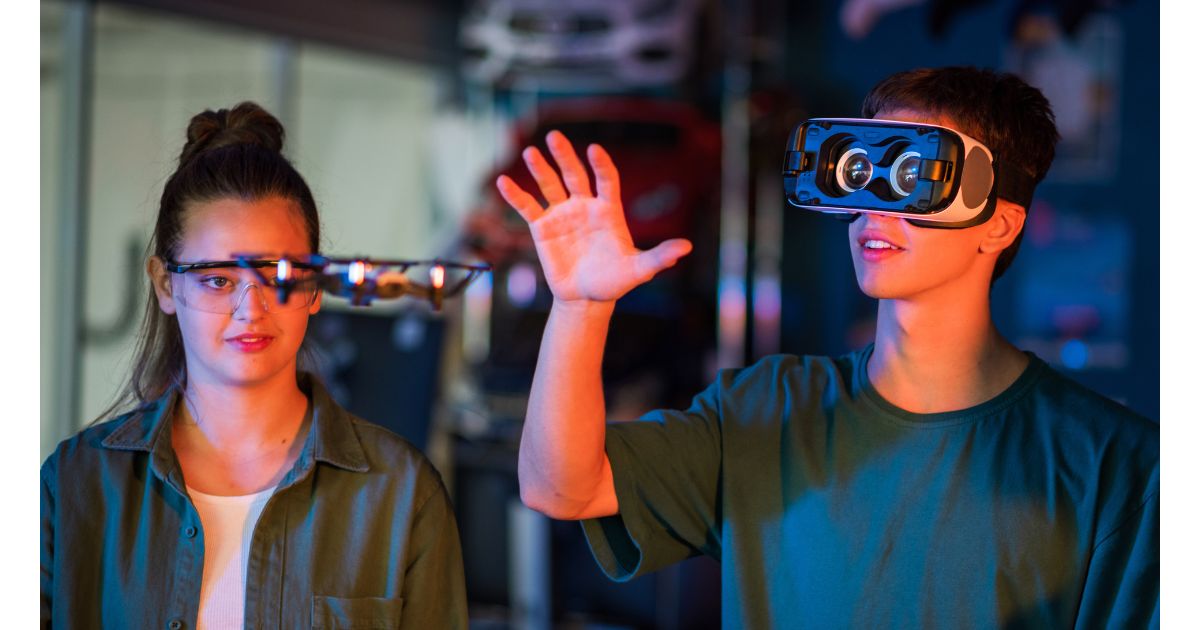
The global economy is undergoing one of the most significant transformations in modern history. With the rapid rise of advanced technologies in 2026, industries, governments, and financial systems are being reshaped in ways that were unimaginable just a decade ago. From artificial intelligence and automation to quantum computing and digital currencies, these innovations are redefining productivity, trade, and economic growth.
This article explores how the latest technology trends of 2026 are impacting the global economy and what this means for businesses and societies worldwide.
Introduction: A Technology-Driven Economic Shift
In 2026, technology is no longer just a support system for the economy—it is the foundation of it. Digital transformation has accelerated across every sector, including manufacturing, finance, healthcare, education, and agriculture.
Countries that invest heavily in emerging technologies are experiencing faster economic growth, while those that lag behind are struggling to stay competitive. The global economy is becoming more interconnected, data-driven, and innovation-focused than ever before.
1. Artificial Intelligence Boosting Global Productivity
Artificial Intelligence (AI) is one of the strongest economic drivers in 2026. Businesses across the world are using AI to improve efficiency, reduce operational costs, and enhance decision-making.
AI-powered systems automate repetitive tasks, analyze large datasets, and predict market trends with high accuracy. This allows companies to make faster and smarter decisions.
As productivity increases, global output also rises, contributing significantly to economic expansion. Industries such as banking, retail, logistics, and healthcare are especially benefiting from AI integration.
However, AI also shifts labor markets, requiring workers to upgrade their skills to remain competitive in a technology-driven economy.
2. Automation Reshaping the Workforce and Industries
Automation is transforming how industries operate. In 2026, robotic systems and intelligent software are handling manufacturing, customer service, data processing, and even complex administrative tasks.
This shift leads to higher efficiency and lower production costs, making businesses more competitive in the global market. Countries with strong automation infrastructure are attracting more foreign investment.
At the same time, automation is changing employment patterns. While some traditional jobs are being replaced, new roles in robotics management, AI supervision, and digital engineering are emerging.
The global economy is shifting from manual labor to knowledge-based and technology-driven employment.
3. Digital Economies and the Rise of Cashless Systems
The world is rapidly moving toward a digital economy. In 2026, digital payment systems, cryptocurrencies, and central bank digital currencies (CBDCs) are becoming widely accepted.
Cash usage is declining as more people rely on mobile wallets and online banking systems. This shift improves financial transparency and reduces transaction costs.
Digital economies also enable cross-border trade to happen faster and more efficiently, helping small businesses reach global markets without physical barriers.
This transformation is boosting international commerce and creating new opportunities for global financial inclusion.
4. Quantum Computing and Economic Acceleration
Quantum computing is beginning to influence economic systems by solving complex problems much faster than traditional computers.
Industries such as finance, logistics, and pharmaceuticals are using quantum computing for advanced simulations, risk analysis, and optimization models.
This technology allows companies and governments to make highly accurate predictions about markets, resource allocation, and economic trends.
Although still in its early stages, quantum computing is expected to significantly enhance global economic decision-making in the coming years.
5. Global Trade Enhanced by Smart Technologies
Technology is making international trade more efficient and transparent. In 2026, smart logistics systems powered by AI and IoT are optimizing supply chains across continents.
Real-time tracking, predictive analytics, and automated warehousing are reducing delays and minimizing costs in global trade.
Blockchain technology is also improving trust in international transactions by ensuring secure and transparent records.
These advancements are helping businesses expand globally with fewer barriers and lower risks.
6. Growth of the Gig Economy and Remote Work
The gig economy continues to expand in 2026, driven by digital platforms and remote work technologies. Millions of people are now working as freelancers, consultants, and remote employees for companies across the world.
This flexible work model is reducing unemployment and creating new income opportunities, especially in developing countries.
Businesses also benefit by accessing global talent without geographical limitations, which lowers operational costs and increases productivity.
The gig economy is becoming a major contributor to global GDP, reshaping traditional employment structures.
7. Smart Cities and Economic Efficiency
Smart city development is playing a key role in economic growth. In 2026, cities equipped with IoT sensors, AI systems, and smart infrastructure are improving efficiency in transportation, energy, and public services.
These improvements reduce waste, save energy, and enhance productivity in urban areas.
Efficient cities attract more businesses and investments, leading to stronger regional economies.
Smart urban planning is becoming a major factor in national economic competitiveness.
8. Green Technology Driving Sustainable Economies
Sustainability is now a major economic priority. Green technologies such as renewable energy, electric transportation, and carbon reduction systems are reshaping global industries.
Countries investing in clean energy are reducing dependency on fossil fuels and creating new green jobs.
This transition is also opening new markets for eco-friendly products and sustainable services.
In 2026, economic growth is increasingly linked to environmental responsibility, making sustainability a core part of long-term development strategies.
9. Cybersecurity and Economic Stability
As digital systems expand, cybersecurity has become essential for economic stability. Cyber threats can disrupt financial systems, trade networks, and critical infrastructure.
In 2026, governments and businesses are investing heavily in advanced cybersecurity systems powered by AI and real-time threat detection.
Strong cybersecurity frameworks ensure trust in digital transactions and protect global economic systems from disruption.
A secure digital environment is essential for sustaining long-term economic growth.
10. Financial Inclusion Through Technology
One of the most positive impacts of technology in 2026 is financial inclusion. Digital banking and mobile payment systems are allowing millions of unbanked individuals to access financial services.
This inclusion is helping reduce poverty and support small businesses in developing regions.
With easier access to credit, savings, and investment tools, more people are participating in the global economy than ever before.
Conclusion: A Transforming Global Economic Landscape
The latest technology trends of 2026 are reshaping the global economy at every level. From artificial intelligence and automation to digital finance and green innovation, technology is driving unprecedented growth and transformation.
While these advancements bring challenges such as job displacement and cybersecurity risks, they also create massive opportunities for innovation, efficiency, and global connectivity.
The future economy will be defined by adaptability, digital integration, and sustainable development. Countries and businesses that embrace technological change will lead the global market, while others risk falling behind.
In this rapidly evolving world, technology is not just influencing the economy—it is becoming the economy itself.