
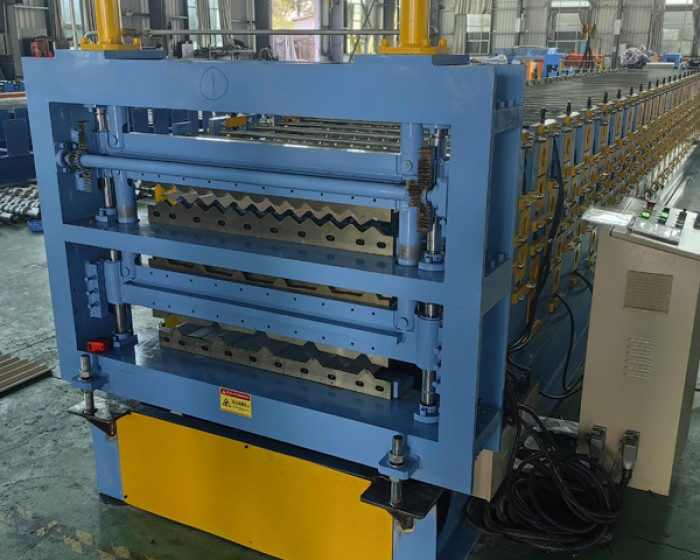
Automation has become one of the most important technologies in modern steel manufacturing. As customer expectations for precision, consistency, and faster production continue to grow, manufacturers are adopting automated systems to improve efficiency and maintain high-quality standards. Advanced automation integrates intelligent controls, precision engineering, and continuous production to reduce errors while increasing productivity. Equipment such as the metal framing machine and metal stud machine enables manufacturers to produce reliable steel components with exceptional accuracy for construction and industrial applications.
Why Automation Is Essential in Steel Manufacturing
Traditional manufacturing methods often rely on manual processes that can lead to production inconsistencies and higher operating costs. Automated production systems eliminate many of these challenges by controlling each stage of manufacturing with greater precision.
Automation also enables manufacturers to maintain stable production conditions, resulting in higher-quality finished products and improved operational efficiency.
How Automation Improves Steel Manufacturing
Increases Production Efficiency
Automated production lines operate continuously with minimal interruptions, allowing manufacturers to produce larger quantities of steel products in shorter production cycles.
Enhances Manufacturing Accuracy
Computer-controlled systems ensure every steel profile is produced according to exact specifications. Greater precision improves product quality and reduces manufacturing defects.
Reduces Material Waste
Automated feeding, forming, and cutting processes maximize raw material utilization, helping manufacturers reduce scrap and improve production efficiency.
Ensures Consistent Product Quality
Automation maintains uniform production settings throughout every manufacturing cycle. Consistent processing produces steel components with reliable dimensions and excellent quality.
Lowers Operating Costs
Efficient automation reduces labor requirements, minimizes production errors, and decreases equipment downtime, contributing to improved long-term profitability.
Applications of Automated Steel Manufacturing
Automated steel manufacturing equipment is widely used to produce steel framing systems, roofing panels, wall panels, structural profiles, ceiling components, warehouse structures, industrial building materials, modular construction products, commercial building systems, and infrastructure materials. Its versatility supports efficient manufacturing across multiple industries.
Benefits of Automation in Steel Manufacturing
- Higher production efficiency
- Improved manufacturing accuracy
- Consistent product quality
- Reduced material waste
- Lower operating costs
- Reduced equipment downtime
- Reliable long-term performance
Choosing Advanced Automated Equipment
Manufacturers should invest in machinery that offers intelligent automation, precision engineering, durable construction, and dependable technical support. Reliable equipment improves manufacturing stability while supporting future business growth.
Modern automation systems also provide flexibility, allowing businesses to manufacture multiple steel profiles efficiently while maintaining high quality standards.
Conclusion
Automation plays a vital role in high-quality steel manufacturing by improving efficiency, increasing accuracy, reducing waste, and maintaining consistent product quality. As manufacturing technology continues to advance, automated production systems will remain essential for businesses seeking sustainable growth and long-term competitiveness.
Whether investing in a metal framing machine or a metal stud machine, manufacturers can strengthen their production capabilities, improve operational performance, and deliver high-quality steel products that meet the demands of modern construction and industrial markets.